 (Image via
The internet is always evolving, and its next chapter, known as Web 3.0, is starting to take shape. This new era promises a more decentralized, intelligent, and user-focused online world. For e-commerce, this isn't just a minor update; it's a fundamental shift that will change how we shop, own digital goods, and interact with brands. Web 3.0 is built on exciting technologies like blockchain, AI, and the metaverse. These tools are creating new opportunities for more personal, secure, and engaging shopping experiences. This guide is here to help you understand these changes, breaking down what Web 3.0 means for the future of online business and how you can prepare for what’s next.
What Exactly Is Web 3.0?
To understand Web 3.0, it helps to look at the internet's first two stages. Web 1.0 was the "read-only" internet of the 1990s, filled with static websites where you could consume information but not interact much. Web 2.0 is the "read-write" internet we use today, dominated by social media and user-generated content. You can create, share, and interact, but this activity often happens on large, centralized platforms like Facebook, Google, and Amazon that own and control your data.
Web 3.0 represents the "read-write-own" internet. It aims to give data ownership and control back to the users. It's built on the core idea of decentralization, meaning power and control are distributed across a network rather than held by a single company. This shift is made possible by technologies like blockchain, which is the same technology that powers cryptocurrencies like Bitcoin and Ethereum. Think of it as a move toward a more open, transparent, and user-empowered digital world.
The Core Principles of Web 3.0
- Decentralization: Instead of relying on a central authority (like a big tech company), information is stored and managed across a distributed network of computers. This makes the system more resilient and censorship-resistant.
- Trustlessness and Transparency: Transactions and interactions are verified by the network and recorded on a public ledger (the blockchain). This creates a transparent system where you don't need to trust a middleman to ensure things are fair.
- User Ownership: You have true ownership of your digital assets and data. This is a big change from Web 2.0, where the platforms you use ultimately control your content and information.
How Web 3.0 Will Reshape E-Commerce
The principles of Web 3.0 are set to transform the online shopping experience in several key ways. It’s about creating a more direct, rewarding, and immersive connection between brands and customers.
1. True Ownership of Digital Goods with NFTs
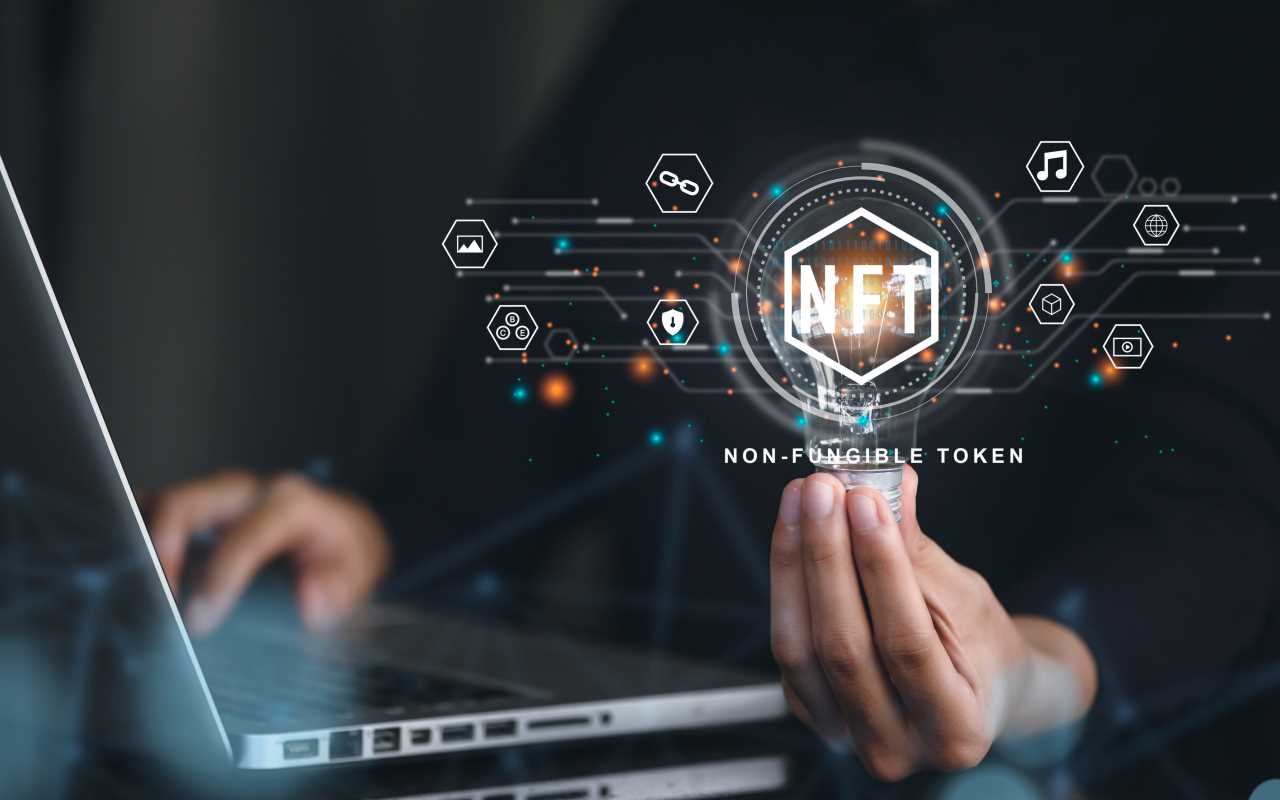
Non-Fungible Tokens (NFTs) are unique digital certificates of ownership recorded on a blockchain. In e-commerce, NFTs can represent ownership of both digital and physical items, opening up exciting new possibilities.
- Digital Twins: Brands can sell a physical product, like a pair of limited-edition sneakers, along with a digital version (an NFT) that the customer can use in a virtual world or metaverse. This creates a new layer of value and engagement.
- Proof of Authenticity: For luxury goods, art, or collectibles, an NFT can serve as a permanent, unforgeable proof of authenticity. This helps combat counterfeiting and gives buyers confidence in their purchase.
- Perpetual Royalties: Brands and creators can program NFTs to give them a small percentage of every future resale. This creates a new, ongoing revenue stream that wasn't possible before. For example, a fashion designer could continue to earn money every time their digital dress is sold from one user to another in the metaverse.
2. The Rise of Decentralized Marketplaces
Web 3.0 enables the creation of decentralized marketplaces. These platforms operate on a peer-to-peer network, meaning buyers and sellers can transact directly with each other without a central company taking a large cut of the profits.
- Lower Fees: By cutting out the middleman, these marketplaces can offer significantly lower transaction fees for sellers. This allows small businesses and independent creators to keep more of the money they earn.
- Increased Control for Sellers: Sellers have more control over their store policies, branding, and customer relationships. They are not subject to the often-changing rules and algorithms of large, centralized platforms.
- Censorship Resistance: Because the marketplace is run by a distributed network, it's much harder for any single entity to shut it down or unfairly remove a seller's products.
3. A More Personalized and Immersive Shopping Experience
Web 3.0 will blend the lines between the physical and digital worlds, creating more immersive and interactive shopping experiences, often referred to as the metaverse.
- Virtual Showrooms: Imagine walking into a virtual store where you can view products in 3D, try on clothes with your digital avatar, and interact with a virtual sales assistant powered by AI. This offers a much richer experience than scrolling through 2D images on a website.
- Community-Centric Shopping: Brands can build dedicated communities in virtual worlds. For example, a sportswear brand could host a virtual running event where participants can show off their new digital gear and connect with other enthusiasts. This builds a deeper sense of belonging and brand loyalty.
- AR-Powered Try-Ons: Augmented Reality (AR) will allow you to see how products look in your own home before you buy them. You could use your phone's camera to see how a new sofa would fit in your living room or how a piece of art would look on your wall, reducing uncertainty and increasing purchase confidence.
4. Enhanced Security and Transparent Supply Chains
The transparency of blockchain technology can bring a new level of trust to e-commerce, particularly in the supply chain.
- Track and Trace: Companies can record every step of a product's journey on a blockchain, from the raw materials to the final delivery. Customers can then scan a QR code on the product to see its entire history, verifying its origin and ethical sourcing. This is especially powerful for products like fair-trade coffee or organic foods.
- Secure Payments: Using cryptocurrencies or stablecoins for payments can offer a secure and efficient alternative to traditional payment systems, with potentially lower transaction fees and faster settlement times.
How Your Business Can Prepare for the Web 3.0 Shift
The transition to Web 3.0 will be gradual, but you can start taking small, empowering steps today to prepare your business for the future.
- Start Learning: The most important first step is to educate yourself. Read articles, listen to podcasts, and follow thought leaders in the Web 3.0 space. Understanding the core concepts will help you identify opportunities for your business.
- Explore NFTs: Consider how your brand could use NFTs. Could you offer a digital collectible with a physical product? Could you create a token-gated community where only owners of your NFT can access exclusive content or discounts?
- Focus on Community: Web 3.0 is all about community. Start building a strong, engaged community around your brand now. Use social media, email newsletters, and platforms like Discord to create a space where your customers can connect with you and each other.
- Experiment with Immersive Experiences: You don't need to build a full metaverse store tomorrow. Start small. Experiment with creating 3D models of your products or using AR filters on social media to let customers "try on" your items.
The next generation of e-commerce is about more than just transactions; it's about ownership, community, and experience. By embracing the principles of Web 3.0, you can build a more resilient, transparent, and engaging business that is ready for the future. You have what it takes to navigate this new landscape, and the journey starts with curiosity and a willingness to explore.