 (Image via
That long list of tasks on your calendar can feel daunting. Some days, finding the drive to tackle even simple duties feels like an uphill battle. You can transform this daily grind into an exciting challenge by applying the principles of games to your schedule. Gamification is the process of adding game-like elements to non-game activities to make them more engaging. This powerful strategy taps directly into our natural human desires for achievement, competition, and reward. By turning your to-do list into a personal quest, you can unlock a surprising source of instant motivation, making your days more productive and far more enjoyable. It’s a creative way to conquer procrastination and find fun in your work.
What is Gamification?
Gamification is the strategic use of game design elements in everyday contexts. Think about your favorite video game or even a simple board game. They use points, levels, badges, and progress bars to keep you hooked. The goal of gamifying your schedule is to borrow these successful concepts and apply them to your professional or personal tasks. You are not actually playing a game; you are using the psychological triggers that make games so compelling to boost your own productivity.
This approach works because it speaks to our core psychological needs. Humans are wired to enjoy challenges, celebrate progress, and feel a sense of accomplishment. A standard to-do list is just a series of demands. A gamified to-do list becomes a series of opportunities to win. This mental shift is incredibly powerful. Instead of seeing a difficult project as a chore, you might see it as a "boss battle" to be conquered. Each completed task is no longer just a checked box; it's a step toward "leveling up" your skills.
The Psychology Behind Why Gamification Works
The magic of gamification is not just about making things fun. It is grounded in established psychological principles that drive human behavior. Understanding these principles shows why this technique is so effective at creating lasting motivation.
The Power of Immediate Feedback
Games provide instant feedback. You know immediately if you have earned points, cleared a level, or found a hidden item. In contrast, work projects can take weeks or months to show results, making it hard to stay motivated. Gamification creates a system of instant gratification. By awarding yourself points for finishing a task, you get a small, immediate hit of satisfaction. This positive reinforcement trains your brain to associate work with reward, making you more eager to continue.
The Drive for Mastery and Achievement
Everyone wants to feel competent and successful. Gamification provides a clear path to mastery. By breaking down large goals into smaller, manageable "quests" or levels, you create a series of small wins. Each victory builds your confidence and fuels your desire to take on the next challenge. Seeing a progress bar fill up or earning a new "badge" for learning a skill provides tangible proof of your growth, satisfying that deep-seated need for achievement.
The Element of Healthy Competition
Competition, even with yourself, is a strong motivator. Gamifying your schedule allows you to set personal bests and try to beat them. For example, you could challenge yourself to answer a certain number of emails in an hour or finish a report faster than you did last time. This creates a sense of urgency and focus that can be difficult to summon otherwise. You are no longer just doing a task; you are competing in your own personal productivity Olympics.
Benefits of Turning Your Schedule into a Game
Introducing game-like elements into your routine offers a treasure chest of benefits that go beyond just getting more done. It can fundamentally change your relationship with your work.
Smashes Through Procrastination
Procrastination often stems from feeling overwhelmed by a large or unpleasant task. Gamification is the perfect antidote. By breaking that task into tiny, point-worthy actions, you lower the barrier to starting. The goal is no longer "write the entire report." It becomes "earn 10 points for writing the outline," then "earn 20 points for drafting the first section." These small, achievable steps make it much easier to begin and build momentum.
Makes Boring Tasks Bearable
Every job has its share of tedious but necessary tasks, like filing paperwork or cleaning out your inbox. These are often the first things we put off. Gamifying these chores can make them surprisingly engaging. You can create a "mini-game" out of them. For example, set a timer and see how many files you can organize in 15 minutes, trying to beat your previous score. This adds a layer of challenge that makes the mundane feel more like a mission.
Provides Clear Visual Progress
A long to-do list can feel endless. Gamification systems often include visual trackers like progress bars, level counters, or a collection of earned badges. These visuals provide a clear and satisfying representation of how far you have come. On days when you feel like you have accomplished nothing, looking at your progress chart can be a powerful reminder of your efforts and successes, giving you the boost you need to keep going.
Boosts Your Focus and Concentration
Games demand your full attention. By framing your work as a game, you create a similar state of focused immersion, often called "flow." You set clear rules and goals for each task, which helps eliminate distractions. Your mind is concentrated on achieving the next "level" or earning the next "reward," which can help you stay on task for longer periods and produce higher-quality work.
How to Gamify Your Own Schedule: A Practical Guide
Ready to build your own productivity game? It’s easier than you think. You can use a simple notebook or a dedicated app. The key is to create a system that you find fun and motivating.
1. Define Your Quests (Tasks) and Boss Battles (Major Projects)
Start by listing your tasks. Reframe them in game-like language.
- Daily Quests: Simple, repeatable tasks like "Clear Inbox," "Plan Tomorrow's Schedule," or "Make Three Sales Calls."
- Epic Quests: Larger, multi-step tasks like "Complete Monthly Report" or "Develop New Marketing Proposal."
- Boss Battles: Your most significant and challenging projects that require sustained effort.
2. Create a Points and Rewards System
Assign points to each task based on its difficulty or the amount of time it takes.
- Small tasks: 5-10 points
- Medium tasks: 25-50 points
- Large tasks or "Boss Battles": 100+ points
Next, create a menu of rewards you can "buy" with your points. These should be things you genuinely enjoy.
- Small Rewards (50 points): A 15-minute break to listen to music, a cup of your favorite tea.
- Medium Rewards (250 points): Watching an episode of a show, taking a longer walk outside.
- Major Rewards (1000+ points): Buying a book you have wanted, ordering takeout for dinner.
3. Introduce Levels and Badges
Create levels you can achieve by accumulating points. For example, every 500 points, you "level up." This creates a long-term sense of progression. You can also design badges for specific achievements.
- "Inbox Zero" Badge: Awarded for clearing your inbox every day for a week.
- "Early Bird" Badge: Awarded for starting your most important task before 9 AM.
- "Master Planner" Badge: Awarded for planning your entire week in advance.
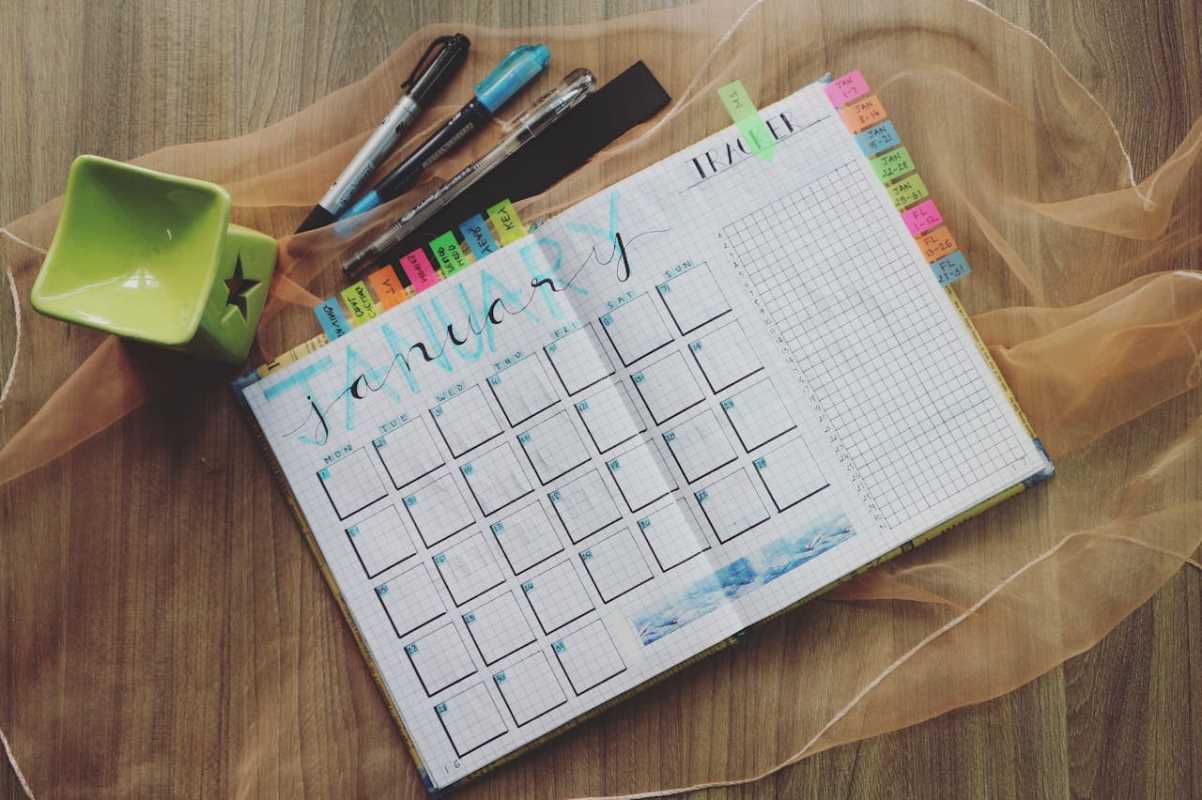
4. Track Your Progress Visibly
Create a visual way to see your progress. This could be a simple chart on a whiteboard, a spreadsheet, or a dedicated gamification app like Habitica or Forest. Seeing your points add up and your level increase is a huge part of the fun and motivation.